

How to cook your Porky Whites Sausages with Confidence
Whether you're a seasoned pitmaster or firing up the grill for the first time, great barbecue comes down to a few simple principles: good preparation, temperature control, and food safety. This short guide draws on our experience and some expert tips from Chef StephenToward from stoves Dining to help you cook sausages (and everything else on the grill) safely and deliciously.
Charcoal or Gas? Choosing Your BBQ
One of the first decisions any barbecue cook faces is whether to use charcoal or gas. Both have real advantages, and the right choice often depends on your priorities.
Charcoal
Cooking over charcoal delivers that classic rich, smoky flavour that many BBQ enthusiasts prefer which is often considered to be the 'best' option for taste. However, preparation and temperature regulation can be significantly more difficult. You’ll need to be more attentive when cooking over charcoal, as food can go from lightly grilled to burnt very quickly.
Gas
Cooking over gas gives you far greater control over cooking temperature and is often easier to manage consistently – this is important when it comes to food safety especially when cooking for large groups or for those who are less experienced with BBQ cooking.
“From a food safety standpoint, gas is the safer choice for most home cooks because precise temperature control helps ensure food is thoroughly cooked. Use charcoal when you're confident in managing heat - and always have a thermometer to hand regardless.”
Stephen Toward – Chef, Stoves Dining
Cooking Sausages on the BBQ
Sausages are a BBQ staple, but they're also one of the foods most commonly undercooked outdoors. Follow these guidelines to get them perfectly done every time.
Make time for preparation
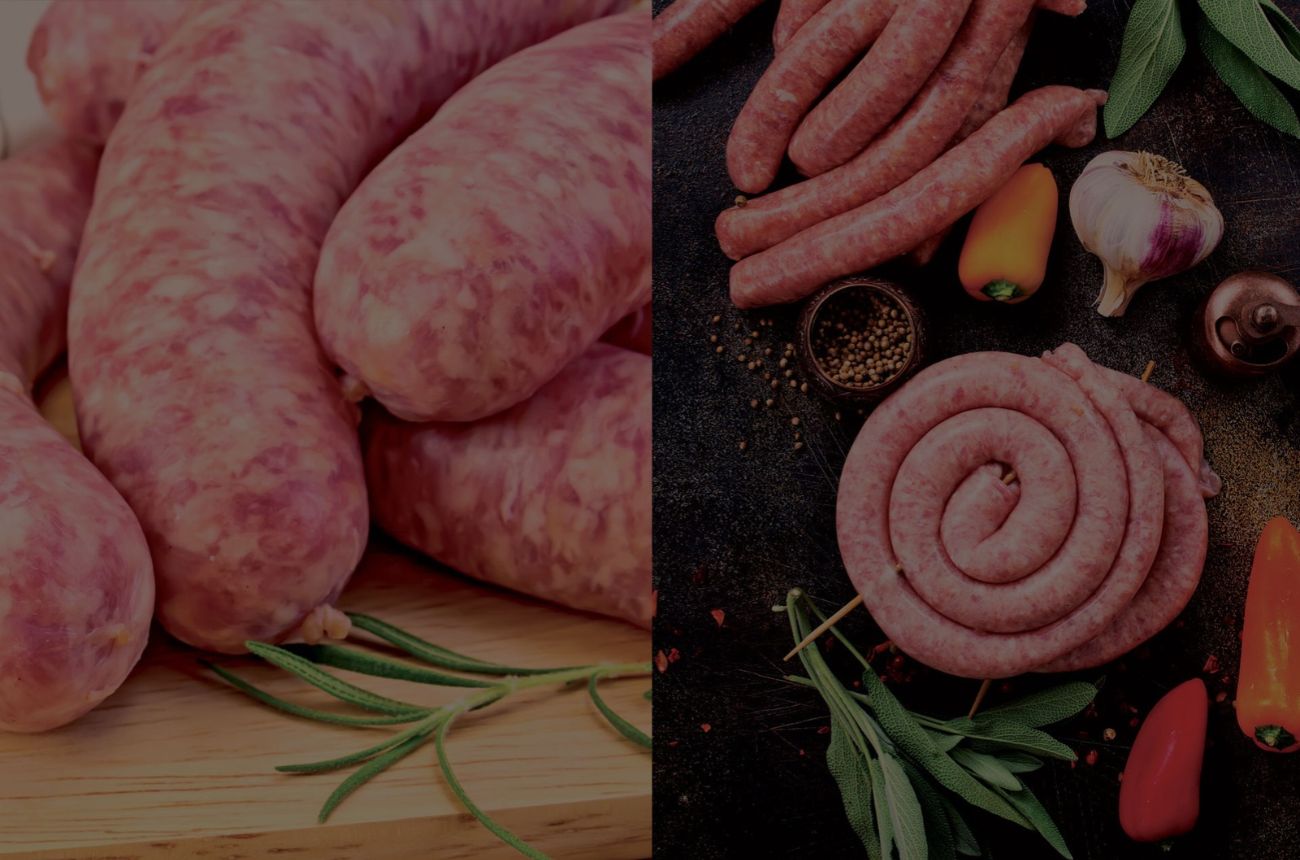
Keep your sausages refrigerated (around 2°C) but bring them out of the fridge to come up to at least 20 minutes before you’re ready to cook. A hot barbecue is essential as the heat helps set the proteins quickly and begins to develop colour on the outside. If you have one, use a griddle pan directly on the barbecue if available for even heat distribution. This can also stop your sausages from falling through the grate!
Cooking Time & Technique
Always refer to the cooking instruction on pack, but generally speaking cook your sausages for approximately 10 to 15 minutes, turning regularly. Place them at the edge or side of the barbecue to begin with, not directly over the hottest part, to avoid burning the outside before the inside is cooked through. You'll know your sausages are cooking evenly because you’ll start to see the proteins beginning to set and a good, even colour developing on the outside.
“Colour alone is not a reliable guide to doneness. A sausage can look cooked on the outside but still be raw in the centre. Always use a digital thermometer - the internal temperature must reach 75°C or above.”
Stephen Toward – Chef, Stoves Dining
BBQ Food Safety Essentials
Food safety at a barbecue is often underestimated, but it's one of the most important parts of the cook. Here are the key rules to follow.
Use a Digital Thermometer
A digital probe thermometer is one of the most useful tools you can own for barbecue cooking. It removes the guesswork from cooking and provides real reassurance that food is safe to eat. For sausages, burgers, and any minced or processed meat, meat temperature for is 75°C or above.
Bone-In Meat & Chicken
Chicken and any meat cooked on the bone carries a higher risk of being undercooked at the centre so we’d recommended that you pre-cook bone-in pieces in the oven first, ensuring they're fully cooked through, before finishing them on the barbecue for colour and flavour.
This two-stage method dramatically reduces food safety risk while still giving you those desirable charred, smoky flavours.
Preventing Cross-Contamination
Whether you are in your kitchen or at the grill, always handle raw meat with care. If you use gloves when placing raw sausages or other meat on the grill, remove and dispose of the gloves before touching anything else. Never use the same utensils or boards for raw and cooked meat and keep raw meat separate from cooked food, salads, and condiments at all times.
“Raw meat juice must never come into contact with food that won't be cooked further. This is the single most common cause of food borne illness at barbecues.”
Stephen Toward – Chef, Stoves Dining
Going Beyond the Sausage
A great BBQ is about more than just what's on the grill and a few smart prep choices can elevate your BBQ spread from basic to brilliant.
Why not try larger joints of meat such as a joint of beef ora pork shoulder? A slow-cooked pulled pork shoulder can be served alongside sausages or a braised feather blade beef, can be shredded and served in a bun or flatbread with burgers. Cooking in the oven before finishing on the barbecue, not only guarantees they're fully cooked through, but allows the BBQ to do what it does best: add colour, caramelisation, and smoky flavour.
Or how about making your own flatbreads? These are an easy, versatile addition to any BBQ and work brilliantly with sausages, pulled meats, or on their own. You can make the dough well ahead of time and requires just four ingredients - 1kg plain flour, 2 packets of dried yeast, 700ml warm water and 15g sea salt.
Mix and knead, allow to prove until risen, then roll out portions and cook on a hot griddle pan on the barbecue. You’re not looking for perfection here and a rustic shape adds to the appeal.
Fresh Accompaniments
When it comes to fresh accompaniments, go beyond ketchup and mustard - think fresh sides! Try a light slaw with lime, sweet chili, and fresh coriander, a simple diced tomato salsa with fresh parsley or even a quick-pickled cucumber to cut through rich, fatty meats beautifully.
Our 9 Quick Reference BBQ Reminders
1. Keep meat refrigerated but take it out at least 20 minutes before cooking.
2. Use a digital probe thermometer for all meat.
3. Target internal temperature: 75°C or above.
4. Pre-cook bone-in meat and chicken in the oven first.
5. Remove gloves after handling raw meat before touching anything else.
6 Never use the same utensils for raw and cooked food.
7. Cook sausages for 10–15 minutes at the side of the grill before finishing over direct heat.
8. On gas: use precise temperature controls to ensure even cooking.
9. On charcoal: manage heat zones carefully — use the cooler edges to avoid burning.